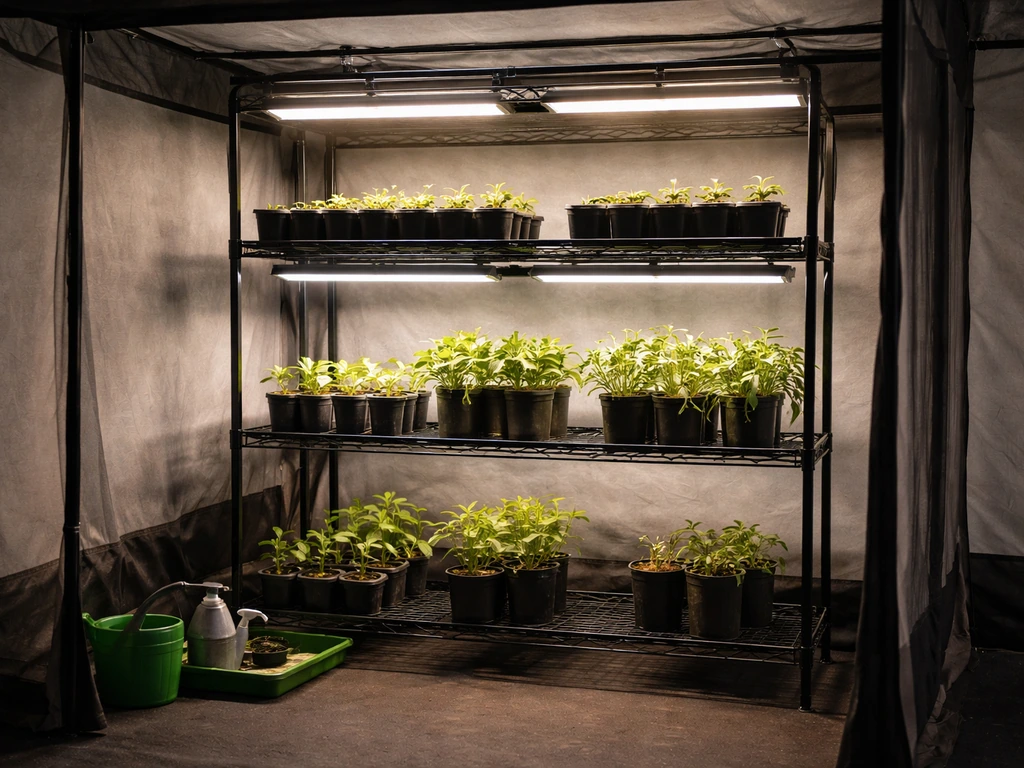
Here's the honest answer upfront: the LilyEve Grow Turn Ampoule is not a plant product. It's a scalp and hair serum, specifically, a brush-tip ampoule designed to address hair thinning and scalp concerns in humans. It has nothing to do with indoor gardening, grow lights, or plant fertilization. If you landed here looking for how to use it on your plants or fit it into a grow-light schedule, this article will clear up the confusion and make sure you don't accidentally waste a hair serum on your seedlings (or worse, damage them).
LilyEve Grow Turn Ampoule How Often to Use Indoors

Marcus Tillman
19 Apr 2026
What the LilyEve Grow Turn Ampoule actually is
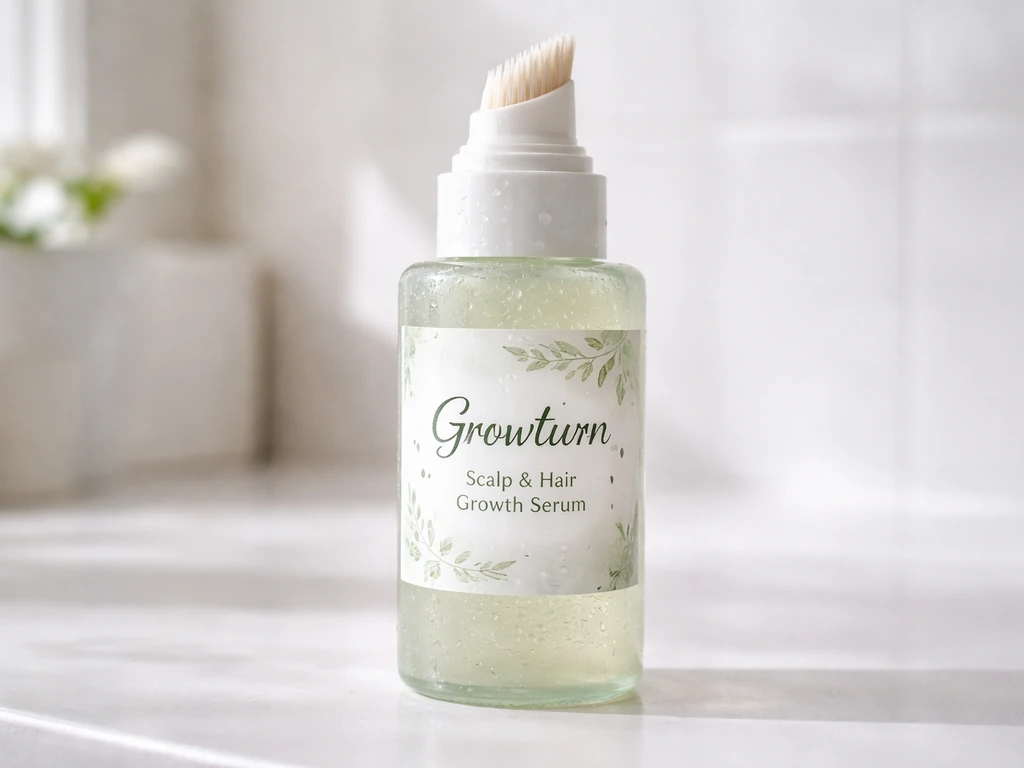
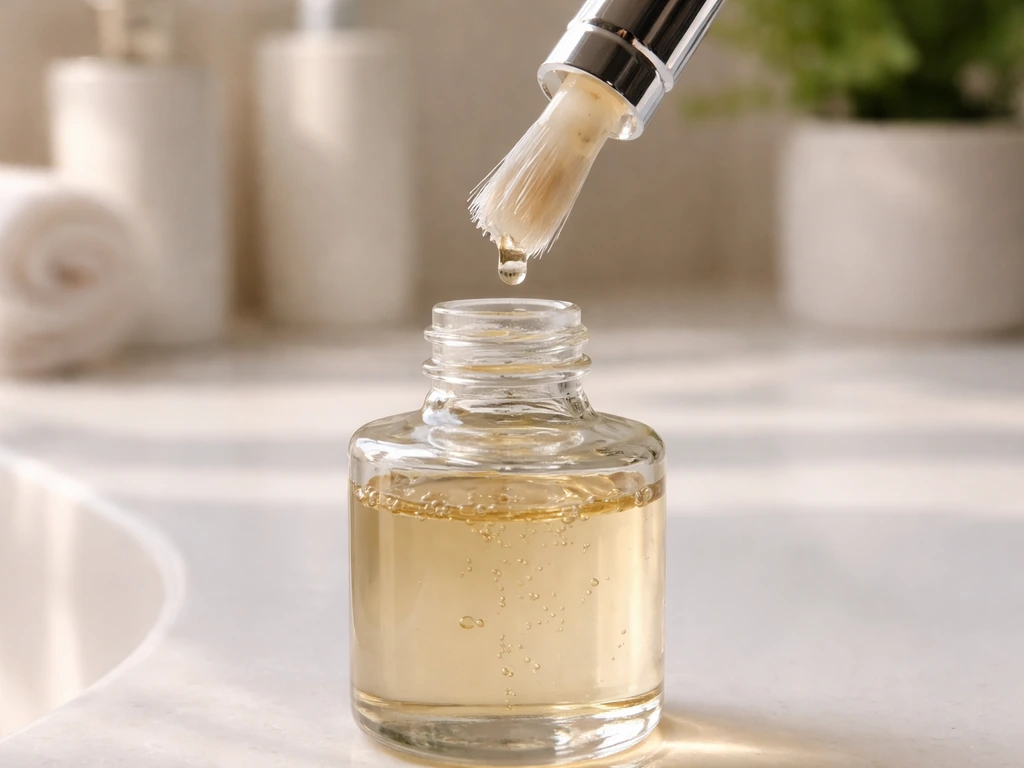
The LilyEve Grow Turn Ampoule (also listed as the Growturn Hair Serum with Brush, 100ml) is a Korean scalp treatment serum. It comes in a 100ml bottle with a built-in brush applicator. You use the brush head to apply the formula directly to your scalp, particularly on areas where hair is thinning. LilyEve's own product listing describes it as an exosome-type scalp formula intended for scalp health and hair growth support, in people, not plants. YesStyle’s product information page for LilyEve Grow Turn Ampoule describes it as an exosome-type, dermatologist-tested scalp ampoule exosome-type scalp formula.
The word 'grow' in the name refers to hair growth. The 'turn' likely references scalp renewal or follicle activation. The 'ampoule' format is a common Korean beauty packaging style for concentrated serums. None of this language maps to plant fertilizers, soil amendments, or grow light supplements. The confusion is understandable, grow-related products for indoor plants and grow-related hair products can sound surprisingly similar when you search for them.
How often to use it (the actual schedule from the label)
If you're using the LilyEve Grow Turn Ampoule for its intended purpose, scalp and hair care, the manufacturer's official guidance is straightforward: use it twice daily, once in the morning and once in the evening. StyleKorean’s product listing for the Lilyeve Scalp:Turn Cica PDRN Brush Ampoule repeats the recommended frequency: use it twice daily, morning and evening use it twice daily, once in the morning and once in the evening. That's the default schedule LilyEve recommends for optimal results. Their sister product, the Scalpturn Cica PDRN Brush Serum, follows the exact same twice-daily routine, which tells you this is a consistent house recommendation across their ampoule-style serums.
In practical terms, that means 14 applications per week, every morning and every night. It's meant to be a consistent daily habit, not a once-in-a-while treatment. Think of it like a skincare routine: skipping days regularly will undercut your results.
How to apply it safely and effectively
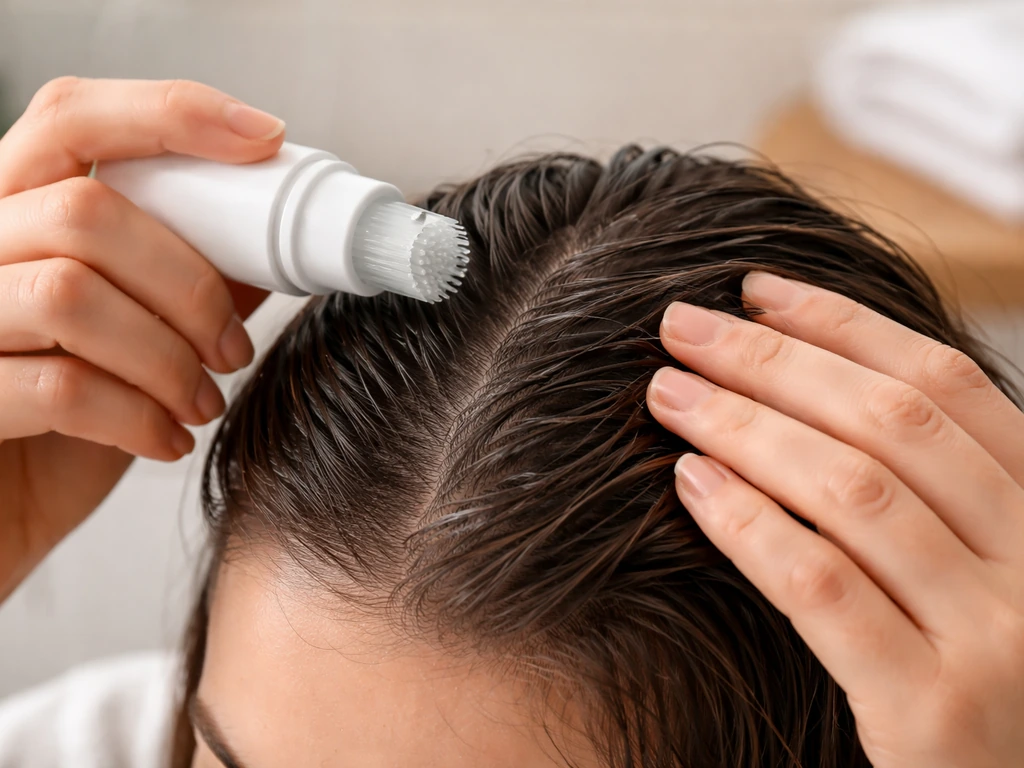
The official application steps from LilyEve's product page are specific. First, shampoo your hair and towel-dry it until it's damp but not dripping. Then unlock the brush head on the ampoule, apply the serum directly to your scalp, and use the brush to massage it in. The massaging step matters because it helps absorption into the scalp. Focus on thinning areas or wherever you have concerns. Some retailers note that you can also apply it to dry hair, though the brand's preferred method is the post-shampoo damp-hair application.
There's no guidance on the label about timing it around watering schedules, grow lights turning on or off, or any plant-related variable. If you are trying to set a lighting routine, you will also want to match your fertilizer or plant ampoule timing to the same on and off window grow lights turning on or off. If you also need a step-by-step plan for how to hang grow lights schedule 1, you can use a dedicated grow-light setup guide alongside your timing notes grow lights turning on or off. That's because the product has no connection to plant care. Any advice you see online trying to tie this serum to a grow-light-on or grow-light-off timing window is extrapolation with no basis in the product's actual design.
Why this product gets confused with plant grow products
It's a fair mix-up. Indoor gardening and K-beauty product naming conventions both lean heavily on words like 'grow,' 'turn,' 'ampoule,' 'serum,' and 'boost.' If you searched for a plant growth ampoule and landed on the LilyEve Grow Turn Ampoule, the name almost sounds like it belongs in a grow tent. But the ingredients panel (an exosome-based scalp formula) and the brush-tip applicator for targeting the scalp make clear this is a personal care product.
If you're actually looking for a growth supplement ampoule for your plants, the type of concentrated liquid nutrient shot you add to water or apply to soil or leaves, that's a completely different product category. If you're trying to figure out how to use a grow light for vegetables, make sure any plant ampoules you choose are matched to your light schedule and crop stage growth supplement ampoule. Those plant ampoules typically contain things like rooting hormones, seaweed extracts, or chelated micronutrients, and they come with plant-specific dosing instructions (usually in ml per liter of water).
Adjusting usage based on your situation (for the hair serum)
If you're using this as a hair product and wondering whether twice daily is right for your situation, here's how to think about it. The twice-daily frequency is the manufacturer's recommendation for addressing active thinning concerns. If your scalp is sensitive or you're experiencing irritation, pulling back to once daily (evening only, after your shower) is a reasonable starting point. Give that a consistent two to four weeks before evaluating whether to step up to twice daily.
| Situation | Suggested Frequency | Notes |
|---|---|---|
| Active thinning/hair loss concern | Twice daily (morning + evening) | Brand's official recommendation for optimal results |
| Sensitive scalp or first-time user | Once daily (evening, post-shampoo) | Start conservative, evaluate after 2-4 weeks |
| Maintenance after improvement | Once daily or as needed | Adjust down once you've seen consistent results |
| Scalp irritation or reaction | Stop and consult a dermatologist | Do not continue through irritation |
Common mistakes and what to watch for
The most common mistake with this kind of ampoule serum is inconsistency. Using it twice one day, skipping three days, then applying twice again doesn't give the formula a chance to work. Hair and scalp treatments rely on consistent exposure over time. If you're not seeing results after four to six weeks of proper twice-daily use, that's a useful data point, but erratic use makes it impossible to know whether the product works for you.
Overuse isn't common because the brush applicator limits how much product you dispense per session, but applying too much product without massaging it in is wasteful and can leave residue on the scalp. The massage step isn't optional. It drives absorption and also stimulates circulation in the area, which supports the serum's goals.
Signs that something isn't right: persistent scalp itching, redness, flaking that wasn't there before you started, or any burning sensation after application. These are signals to stop use and check in with a dermatologist, not to push through. The product is designed for regular use, so irritation is not a normal part of the process.
If you were actually looking for plant grow ampoules and grow light schedules
If the LilyEve Grow Turn Ampoule isn't what you needed and you're looking for guidance on how often to use plant growth supplements alongside your grow light setup, that's a genuinely useful question for indoor growers. If you are trying to figure out how to match your plant feedings to light timing, see how to use full spectrum grow lights schedule 1 for a practical schedule baseline. The answer depends on the type of supplement (liquid fertilizer, rooting ampoule, foliar spray), the plant type, and the growth stage. Seedlings and young plants in the rooting phase need far gentler feeding frequencies than mature plants in a vegetative or flowering phase. A common starting point for liquid supplements is once a week at half the recommended dose, increasing to full dose as the plant matures.
Timing those applications alongside your grow light schedule also matters. If you’re trying to figure out how often to use a grow light, the usual approach is to match daily light hours to your plant’s stage and avoid long periods of darkness too close to germination grow light schedule. Most indoor growers prefer to apply liquid treatments during or just before the light cycle starts, so plants can uptake nutrients during their active photosynthesis window. How long your grow light runs each day and how you structure the on/off schedule will directly affect how well plants respond to any growth supplement you're using. Those timing and scheduling questions are worth digging into separately, especially if you're running a mix of plant types under the same light.
Your immediate next steps
If you're using the LilyEve Grow Turn Ampoule for your scalp and hair: start with the manufacturer's recommended twice-daily schedule, apply to a damp scalp after shampooing using the brush, and give it a minimum of four weeks of consistent use before drawing any conclusions. If sensitivity is a concern, drop to once daily for the first two weeks. Track changes in your target areas every two weeks with a simple photo.
If you came here looking for plant growth ampoule guidance for your indoor grow setup: the LilyEve product isn't what you need. Look for plant-specific growth serums or liquid fertilizers labeled for indoor or hydroponic use, and pair any supplement schedule with an appropriate grow light duration for your plant type and stage. Starting conservative, at half the recommended dose, once weekly, and monitoring your plants' response over two weeks before adjusting is the safest approach across almost all plant supplement types.
FAQ
I missed a dose, should I double the next time I apply LilyEve Grow Turn Ampoule?
If you miss a morning dose, take the evening dose as scheduled, do not double up the next morning. The twice-daily plan is designed for steady scalp exposure, so catching up can increase irritation risk without adding extra benefit.
Can I apply LilyEve Grow Turn Ampoule to hair lengths or other facial hair too?
Yes, but it should be used on the scalp only. Avoid applying it on the hair lengths, eyebrows, or beard unless the brand specifically says it is for those areas, since those skin types can react differently than the scalp.
What should I do if I get irritation or flaking after using it?
Stop use if you get burning, significant redness, swelling, or worsening flaking right after application. For mild tingling only, try once-daily for a week, keep to damp (not dripping) scalp, and if symptoms persist or worsen, switch to a dermatologist consultation.
Can I use LilyEve Grow Turn Ampoule with shampoo treatments or other scalp serums?
Do not use it after applying other strong scalp actives on the same routine, like exfoliating acids, medicated anti-dandruff treatments, or strong essential oils. If you use those products, alternate by time (morning one, medicated product evening) or separate on different days to reduce the chance of irritation.
My scalp gets oily quickly, is there a way to adjust how I apply it?
If you have very oily scalp, you can towel-dry a bit longer so the scalp is damp but not wet, and apply only to thinning areas. The brush applicator helps with dosage, so the key adjustment is less water on the scalp, not adding extra serum.
Is it safe to use during pregnancy or breastfeeding, and should I patch test?
Pregnant or breastfeeding users should not treat this as a universal skincare product without checking with a clinician, because the formula’s exosome claims do not replace medical guidance. Also, patch test first on a small scalp area for 2 to 3 days before going to twice daily.
How long should I wait before deciding whether it works for me?
The fastest way to tell if it suits you is to track two things separately: comfort (no itching or burning) and visible changes (thinning areas). Expect to evaluate around 4 to 6 weeks for cosmetic changes, while irritation should show up within the first few days if you are sensitive.
How much time should I spend brushing and massaging the serum into my scalp?
Use it for the same duration you shampoo, about a couple of minutes total, and massage for long enough to spread it across target areas, usually 30 to 60 seconds. Over-massaging can increase scalp sensitivity, especially if you are already irritated.
Next Article
How Often to Use a Grow Light: Daily Schedules
Practical daily grow light schedules: hours per day by plant stage, adjust for too much or too little light, and timer t